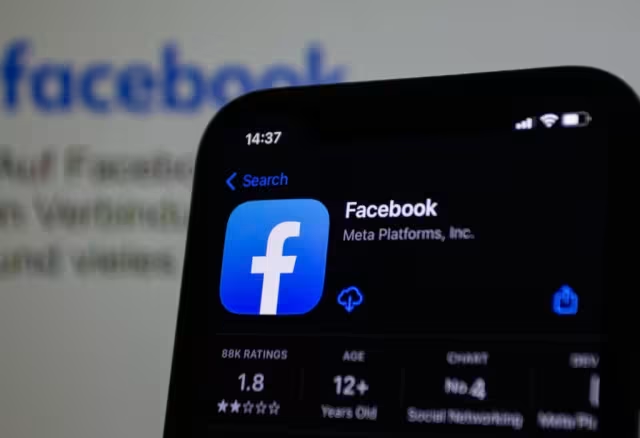
Social media companies are on alert because they just saw Meta fined $567 million in child safety lawsuit. Meta was sued for failing to protect underage users of Facebook and Instagram and causing mental health harms to children who use the social media apps. The case, New Mexico, et al. v. Meta Platforms, Inc., was initially filed in 2023 in a federal court in New Mexico. Now, the lawsuit has reached a conclusion: the judge ordered Meta to pay more than $500 million in civil penalties on top of the $357 million the company was already fined. This is one of the largest financial penalties ever imposed against a social media company for child safety violations. The money will be placed in a fund directed at reducing any harms caused by Meta in the future. Moreover, the landmark ruling could have huge implications for social media companies and data privacy laws going forward.
Meta Accused of Violating Consumer Protection Laws
Meta owns and operates a number of social media platforms and apps, including Facebook, Instagram, and WhatsApp. The parent company generates more than $60 billion in revenues each quarter.
The social media giant was sued for failing to warn the public about the very serious harms to children who use Facebook and Instagram. Meta was also accused of facilitating the sexual exploitation of minors by not doing enough to protect young users against online predators.
Meta Lawsuit: Two Phases
The case against Meta was filed by the New Mexico Department of Justice and specifically alleged violations of the New Mexico Unfair Practices Act.
In the first phase of the trial, Meta was accused of violating state consumer protection laws. That phase was resolved earlier this year: a jury found Meta liable for knowingly harming underage users, as well as concealing the prevalence of child sexual exploitation on the company’s social media platforms. According to the jury’s decision, Meta committed more than 75,000 violations of the consumer protection statute. Meta was ordered to pay $375 million in civil penalties.
The second phase of the trial was a non-jury trial that lasted three weeks. That trial was decided against Meta as well, with Meta being ordered to implement child safety features, such as age verification and stricter privacy settings.
Lawsuit: Meta Targeted Young Users of Facebook and Instagram
The lawsuit alleged that Facebook and Instagram were designed to addict young users, and that Meta did not do enough to protect teenagers on Facebook and Instagram. Meta was accused of creating algorithms designed to addict young users to social media, in addition to encouraging compulsive social media use that posed serious mental health risks, including suicide.
The court ultimately found that Meta intentionally utilized an algorithm and promoted user features intended to keep teenage users on the social media platforms. This included things like endless scrolling, autoplay videos, and constant notifications.
New Mexico Attorney General Raul Torrez applauded the court ruling, calling it a historic moment in the fight to hold Meta accountable for endangering kids. Torrez accused Meta of enabling child exploitation and encouraging dangerous addiction to social media.
Meta Allegedly Facilitated Sexual Exploitation of Minors on Facebook and Instagram
State attorneys argued that Meta is liable for endangering children who use the company’s social media platforms like Facebook and Instagram. Prosecutors pointed to the sexually explicit content that underage users are exposed to online.
Meta was also accused of enabling child predators to target young victims on Facebook and Instagram. For example, Meta’s algorithms allegedly drove young users toward harmful images and dangerous predators by recommending and even curating specific types of sexual content.
Judge: Meta Is a “Public Nuisance” That Causes Real-World Harms to Children
The judge in the Meta lawsuit called Meta a “public nuisance” and likened the company to a factory that pollutes the environment with toxic chemicals. In this case, of course, the pollutants are online advertising and content that targets underage users and causes psychological damage. The judge said the mental health harms are like “the noxious pollution produced by a factory,” and observed that it hinders the public’s right to a safe and free online environment. Moreover, these harms are not limited to the internet because they can spread to the real world, affecting children in their homes and schools.
Ruling: Meta Failed to Warn Parents About Social Media Dangers for Children
The judge in the case found that Meta was liable for failing to warn parents about the risks that Facebook and Instagram posed to children. As a result, Meta was ordered to pay $567 million to an abatement fund, which means the money will be set aside for reducing the risks to children who use social media. This brings the total amount of state fines imposed against Meta in the New Mexico case to $942 million – a number that could rise as more lawsuits are filed against the social media company in other states, including California.
Court: Meta Must Pay for Youth Abatement Fund for Mental Health Treatment of Kids Harmed by Social Media
The fines and penalties imposed against Meta will be used to create a youth abatement fund aimed at mitigating the scale and scope of the harm. Much of the money will cover the costs of treating children who have already been hurt by social media and require clinical help, including training for teachers and health professionals.
The funds will also be used to prevent future harms, with an emphasis on funding education on the dangers posed by social media.
Additionally, Meta will be required to provide regular reports to verify and confirm its compliance with the court order.
Meta Ordered to Change Safety Features for Children Who Use Facebook and Instagram
In addition to the financial penalties imposed against Meta, the court also ordered the tech giant to change its safety features to protect teenagers. The ruling specifically requires Meta to tighten controls on children’s accounts so that minors who use the social media platform will not be exposed to dangerous content.
Meta will have to strictly regulate how children are able to access and use social media. This includes:
- Deleting unverified accounts for users under the age of 13.
- Limiting Facebook and Instagram screentime for minors to 3 hours per day and 90 hours per month.
- Blocking notifications late at night and during school hours so that kids are not distracted.
- Automatically blurring nude images on the platforms, as well as banning underage users from sending or receiving nude images online.
- Restricting unknown adults from sending direct messages to minors on the platforms.
- Immediately banning adult users who engage in child sexual exploitation.
- Eliminating “like” counts for underage users so they won’t be incentivized to post provocative or inappropriate content.
Meta must prominently feature banner screens on their apps that clearly explain the new child safety features. Meta will also be required to post prominent disclosures online to warn New Mexico users about the mental health risks associated with using Facebook and Instagram.
The plaintiffs in the case wanted the judge to also require Meta to make changes to its core algorithm, but the judge rejected that for being overly broad.
Court: State Consumer Protection Laws Might Conflict with Federal Data Privacy Laws
After the ruling was issued, New Mexico Attorney General Raul Torrez said that he would call on Congress to pass stronger laws at the federal level to protect children against sexual exploitation online. That’s because many state consumer protection laws are outdated and don’t account for an economy dominated by Big Tech companies. For example, Torrez noted that the New Mexico statute relied on for the lawsuit “was built for a totally different world and a totally different economy.”
COPPA
One limitation on the New Mexico court’s ruling is a possible conflict with federal law: the Children’s Online Privacy Protection Act (COPPA) makes it harder to impose age-verification requirements because Meta cannot require minors to submit data for any purposes.
Additionally, the court in New Mexico, et al. v. Meta Platforms, Inc. said that it would not be fair to impose age-verification rules on Meta while other social media companies remain exempt from those same rules.
Section 230 – Communications Decency Act
The New Mexico attorney general said that Section 230 of the Communications Decency Act needs to be changed so that authorities can take more aggressive action to protect minors who use the internet. Section 230 is a federal law that basically grants companies like Meta complete immunity from liability for anyone who publishes content or online communications on their platforms.
Meta Ruling Sends Strong Message to Social Media Companies That Endanger Children
What’s next for Meta and other social media companies? Raul Torrez, the New Mexico attorney general, said the ruling against Meta sends a strong message to other social media companies that it is unacceptable to knowingly jeopardize the mental health of children. Torrez called the case “a victory for every parent who has worried about what social media is doing to their child and every child who deserves to grow up safer online.”
After the ruling was announced, Meta issued a statement indicating that the company plans to file an appeal. A Meta spokesperson emphasized the difficulties of trying to identify and remove harmful content before it reaches children who use the company’s popular social media platforms.
Regardless of how an appeal is decided, Meta’s legal problems are not likely to end anytime soon. The New Mexico ruling is just the latest legal action taken against Meta for failing to protect underage users of Facebook and Instagram. More than 40 other states are currently suing the tech company, including a social media addiction case in California that was recently settled.
Contact the California Data Privacy Lawyers at Tauler Smith LLP
Both federal and state laws protect consumers against the unlawful collection of their data by social media companies like Facebook and Instagram. If you used either of these apps, it’s possible that your personal information was acquired without your consent. The Los Angeles data privacy attorneys at Tauler Smith LLP can protect your privacy rights and help you get financial compensation when those rights have been violated.